Can cataracts be caused by stress
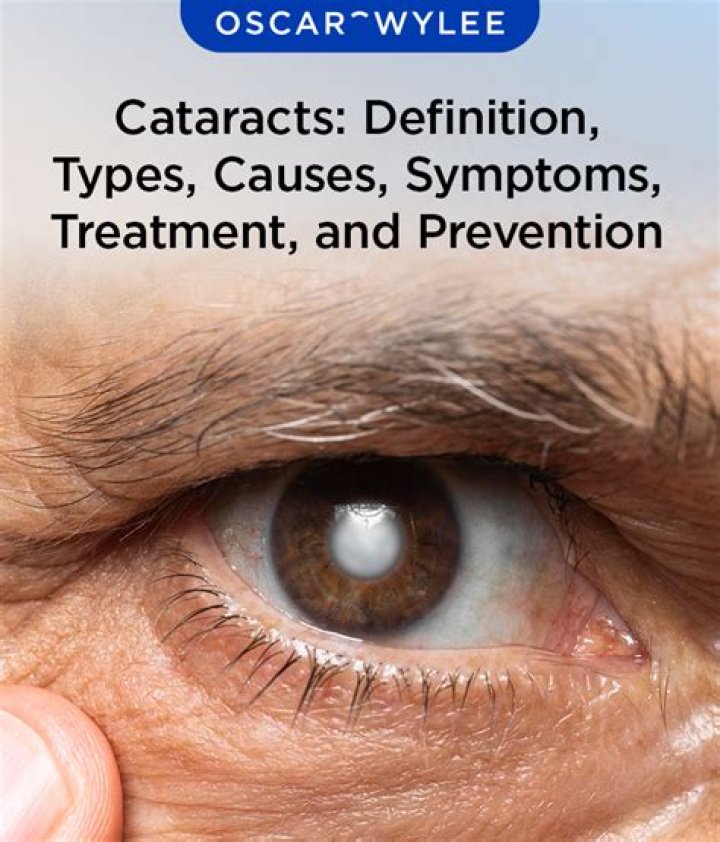
Because emotional or psychological stress is associated with increased oxidant production and oxidative damage, long-term exposure to emotional or psychological stressors may enhance the risk of many diseases associated with oxidative stress, including cataracts.
What causes cataracts at an early age?
Cataracts in Youth and Young Adults Common causes of early onset cataracts (below age 40) include having poorly-controlled medical conditions like hypertension, eczema and diabetes, chronic use of steroid medications, previous eye trauma, and family history of early onset cataracts.
Can cataracts be cured?
There is no natural cure for cataracts. According to the Mayo Clinic, no studies have proved how to prevent cataracts or slow their progression. But some healthy lifestyle practices that may be helpful include: Have regular eye examinations.
What are the 3 types of cataracts?
There are three primary types of cataracts: nuclear sclerotic, cortical and posterior subcapsular.What causes cataracts to grow fast?
Trauma-related cataracts are typically the most fast-growing type of cataracts. Radiation: Radiation-related cataracts, sometimes listed under trauma-related cataracts, occur after the lens has been exposed to radiation. Exposure to high levels of radiation can result in clouded vision in as little as two years.
How can cataracts be prevented?
- Have regular eye examinations. Eye examinations can help detect cataracts and other eye problems at their earliest stages. …
- Quit smoking. …
- Manage other health problems. …
- Choose a healthy diet that includes plenty of fruits and vegetables. …
- Wear sunglasses. …
- Reduce alcohol use.
How can I get rid of cataracts naturally?
A consistently healthy diet that includes fruits, vegetables, oily fish and whole grains may result in a decreased risk of cataracts. Antioxidants, vitamins, minerals, and phytochemicals such as vitamins A, C and E, lutein, zeaxanthin and omega 3 fatty acids may also reduce the risk of cataract progression.
Can cataracts develop suddenly?
Cataract development is usually a gradual process of normal aging, but can occasionally occur rapidly. Many people are unaware that they have cataracts because the changes in their vision have been so gradual. Cataracts commonly affect both eyes, but it is not uncommon for cataracts in one eye to advance more rapidly.Can cataracts be cured without surgery?
Unfortunately, there’s no way to get rid of cataracts without cataract surgery. Some ophthalmologists are exploring alternatives, but at this time, only cataract surgery can cure your cataracts.
Who is prone to cataracts?Cataracts are common among older people. More than 50% of people age 80 and older have had cataracts.
Article first time published onAt what stage should cataracts be removed?
In most cases, you need surgery when blurry vision and other symptoms of a cataract starts to interfere with daily activities like reading or driving. There is no drug or eye drop to prevent or treat cataracts. Removing them is the only treatment.
Is cataract surgery painful?
Cataract surgery is not painful. While patients are awake during surgery, there is little or no discomfort involved. A mild sedative may be administered before the surgery, which calms the nerves, and eye drops are used to numb the eye.
What age do cataracts usually start?
In most people, cataracts start developing around age 60, and the average age for cataract surgery in the United States is 73.
What foods help heal cataracts?
Omega-3 fatty acids are also known to reduce the risk of cataract development and progression. Good sources of omega-3 fatty acids include shrimp, tuna, cod, salmon, halibut, trout, herring, walnut, flaxseed oil, canola oil and spinach. Eat fish at least twice per week to nourish your eyes and protect your vision.
How can I prevent my cataracts from getting worse?
- Have regular eye exams. …
- Watch your blood sugars if you have diabetes. …
- Stop smoking. …
- Reduce alcohol consumption. …
- Eat a balanced diet. …
- Wear sunglasses.
What are the 5 types of cataract?
- Age-related cataract. As you age, a cataract can develop because of natural changes in the lens of your eye. …
- Traumatic cataract. Serious eye injuries can damage your lens and cause a cataract. …
- Radiation cataract. Certain types of radiation can cause cataracts. …
- Pediatric cataract.
What do early stage cataracts look like?
The symptoms of early-stage cataracts include mild eye blurriness and cloudiness, early sensitivity to light and glare, and an ever-increasing eye strain. Sudden headaches, seeing flashes of lights, sudden vision changes, and double vision could also be symptoms of early to immature stages of cataracts.
Does vitamin A help cataracts?
Vitamin A may also help protect against other eye afflictions. Some studies suggest that diets high in vitamin A may be associated with a reduced risk of cataracts and age-related macular degeneration (AMD) ( 3 , 4 , 5 , 6 ). For general eye health, vitamin-A-rich foods are recommended over supplements.
What vitamins help prevent cataracts?
Antioxidant vitamins and phytochemicals found in fruits and vegetables that may reduce the risk of cataracts include vitamins A, C and E, lutein and zeaxanthin.
What happens if you don't have cataracts removed?
Over time, cataracts become worse and start to interfere with vision. Important skills can be affected, such as driving, and loss of vision can affect the overall quality of life in many ways including reading, working, hobbies and sports. If left untreated, cataracts will eventually cause total blindness.
Can High BP cause cataracts?
The results of the present meta-analysis containing cohort and case-control or cross-sectional studies showed that hypertension was associated with an increased risk of cataract without regard for cataract types.
Does high cholesterol cause cataracts?
Lens membrane contains the highest cholesterol content of any known membrane. The Smith-Lemli-Opitz syndrome, mevalonic aciduria, and cerebrotendinous xanthomatosis all involve mutations in enzymes of cholesterol metabolism, and affected patients can develop cataracts.
Are you put to sleep for cataract surgery?
Typically, patients are awake during cataract surgery. This eliminates risks associated with general anesthesia (where you are “put to sleep”) and enables Our Doctors to communicate with you during your procedure. You will be given an oral medication prior to the procedure to help you relax during your surgery.
How long is recovery after cataract surgery?
The recovery time for cataract surgery is short. Any soreness and discomfort should disappear within a couple of days. However, depending on the nature and size of your cataracts, and your physiology and ability and heal, full recovery could take anything from four weeks to six weeks.
How much will a cataract operation cost?
The exact cataract surgery cost depends on the hospital and the cataract surgery type, but it is normally somewhere between 15,000 to 80,000 INR.
Which is better laser or regular cataract surgery?
Both methods are extremely successful and safe.” To translate that into simpler terms, on average, the evidence suggests that patients who have laser-assisted cataract surgery tend to see about as well as patients who have traditional cataract surgery. Not significantly better, or worse.
How did they remove cataracts?
During cataract surgery, the clouded lens is removed, and a clear artificial lens is usually implanted. In some cases, however, a cataract may be removed without implanting an artificial lens. Surgical methods used to remove cataracts include: Using an ultrasound probe to break up the lens for removal.
Does everyone get cataracts eventually?
Cataracts are a part of the natural aging process. If you live long enough, you will eventually develop cataracts. The eyes mainly consist of water and protein. As we grow older, some of the protein may form chunks and cloud a certain area of the eyes lens.
What causes cataracts to worsen?
The ultraviolet rays of the sun give us vitamin D and improve our mood, but too much exposure is not healthy for skin or for eyes. UV light can cause cataracts to progress faster than they otherwise would.
What are the four types of cataracts?
- Age-Related Cataracts. This type of cataract develops as a symptom of old age, especially in those who have smoked or had significant exposure to ultraviolet light. …
- Congenital Cataracts. …
- Secondary Cataracts. …
- Traumatic Cataracts.