Can mold cause joint problems
Some types of mold do produce toxic compounds, however, known as mycotoxins. It’s these compounds that can cause a myriad of medical problems, including joint pain.
What are the symptoms of mold in your body?
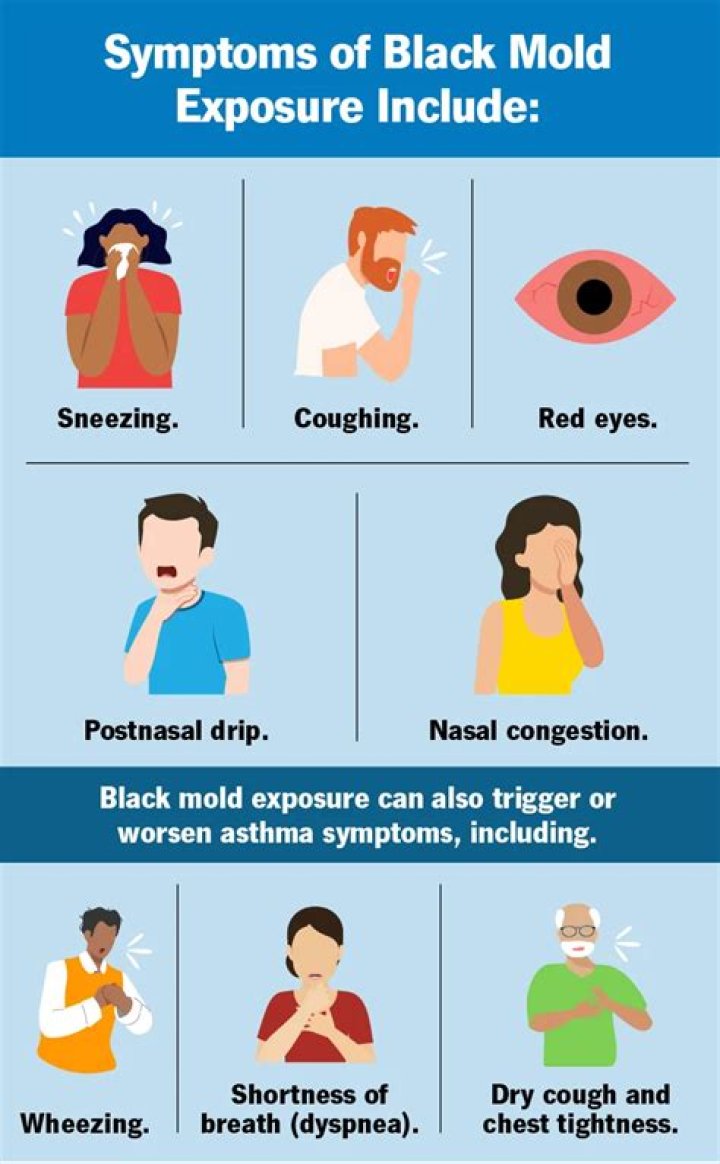
- sneezing.
- nasal congestion.
- runny nose.
- skin rash.
- itching.
- watery eyes.
- asthma.
- chest tightness.
Does mold cause inflammation in the body?
The study also found that mold spore skeletal elements and other mold metabolites also cause symptoms of mold illness. Researchers link mold-triggered immune activation with these symptoms in the brain and the body, concluding that mold causes symptoms and illness through its inflammatory effects.
Can mold cause body aches?
Mold Toxicity Could be Causing Your Headaches, Fatigue and Muscle Pain.How long does it take for mold to get out of your system?
I had so much mold in my body that it took several months for the ebb and flow of flu symptoms to go away. As you kill the mold and there are less organisms in your body, you will start to feel better. It took my husband six months to become free and clear of mold while it took me a year and a half.
How do I know if mold is making me sick?
Symptoms of mold exposure may include headache, sore throat, runny nose, coughing, sneezing, watery eyes and fatigue. In those with asthma, asthma attacks can occur. In those with impaired immune systems, serious infection can occur.
What does mold toxicity feel like?
Each person’s body is affected by mold toxicity in different ways. Some experience constant migraines and headaches, shortness of breath, brain fog, fatigue or even depression. Since symptoms differ from person to person, they may not be quickly associated with mold exposure.
How do you test for mold toxicity in the body?
A blood test, sometimes called the radioallergosorbent test, can measure your immune system’s response to mold by measuring the amount of certain antibodies in your bloodstream known as immunoglobulin E (IgE) antibodies.How do you get rid of mold and fungus in your body?
Activated charcoal can be taken as a supplement for assisting in the removal of mold from the body. Because of the adsorbent properties of activated charcoal, it quite literally traps toxins (like mycotoxins) in the body, allowing them to be flushed out so that the body doesn’t reabsorb them.
Can mold cause rheumatoid arthritis?Joint pain is often felt on the same joint on both sides of the body. Current medical literature states there is no known cause for Rheumatoid Arthritis. We believe indeed fungus or yeast is the cause of the disease.
Article first time published onWhat does mold toxicity do to the body?
Mold is also known to cause asthma and life-threatening primary and secondary infections in immune-compromised patients that have been exposed. Toxic mold exposure has also been linked to more serious, long-term effects like memory loss, insomnia, anxiety, depression, trouble concentrating, and confusion.
Can mold grow inside your body?
The answer to that is definitely yes! Mold not only grows on surfaces inside and outside of your home, but if it is inhaled, it can continue its growth inside your body.
How do u test for mold in ur house?
A common way to check for mold is to smell for it. A “musty” smell in an area of your home is often an indicator that there is some kind of mold present. Symptoms like a persistent runny nose, watery eyes, sneezing and throat irritation could also be indicative of mold.
Is there a mold detector?
Mold spores can be airborne1 in your home, and to test your air quality, you’ll need a product like the My Mold Detective Mold Test Kit. This kit comes with an air sampling pump, four air sample cassettes, and one surface sample, and takes just five minutes to collect a sample from your home.
Can mold exposure cause autoimmune disease?
Can mold cause autoimmune disorders? No. While there has been concern raised that mold in the environment could be a trigger for autoimmunity, there is currently no scientific evidence that mold can cause AIDs.
What is toxic mold syndrome?
Toxic mold based illness is a very prevalent and under diagnosed condition that can manifest in many different ways, including with symptoms that are exclusively psychiatric, such as depression, anxiety, attentional problems, brain fog and insomnia.
Is it bad to live in a house with mold?
The CDC, or the Centers for Disease Control and Prevention, warns about the dangers of living with mold in the home: Respiratory tract symptoms that include coughing, wheezing, and swelling of the throat. Those who have asthma and allergy problems are especially at risk.
Does an air purifier help with mold?
An air purifier can also help in common places for mold in the home like a basement. Though an air purifier can help long term for mold spores in the air, only physically cleaning up the mold and removing the moisture that allowed it to grow will solve a visible mold growth problem.
How can I tell if I have mold in my walls?
A musty smell is a good indicator that mold is growing in your home. The smell of mold feels earthy, like rotting leaves or decaying wood in a dense, damp forest. If you think there’s mold in your walls, get on your hands and knees and smell the electrical outlets.
How do you know if you have mold behind walls?
- Odor – you smell something but just can’t see anything.
- You don’t feel good when your home and you feel better when your away.
- Constantly itchy nose, red eyes and sneezing.
- Staining on interior wall and base molding.
- Wall appears to be wet and damp.