Can you wear a bonnet all day
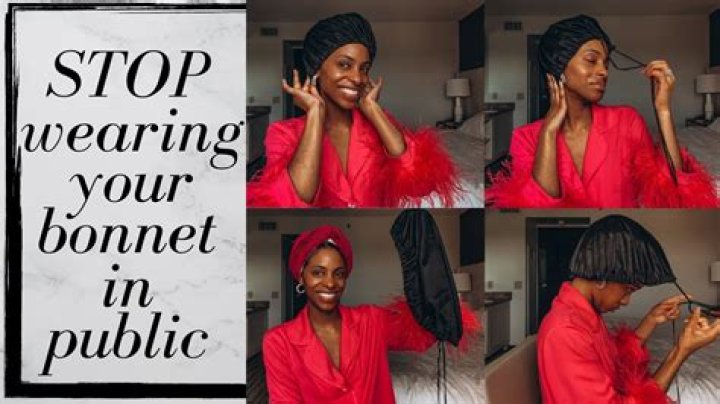
This satin-lined sleep bonnet looks like a slouchy cap you might wear to a coffee shop. It can truly be worn from night to day (and night again).
Do bonnets cause hair loss?
“Do not sleep with head scarves or bonnets that are tied too tight or rub against the hairline because this can cause hair breakage and hair loss,” she shares.
Can I sleep with wet hair in a bonnet?
3. Cover your hair with a large silk scarf or bonnet to prevent flyaways and keep the style in place until morning. Silk pillowcases work, too. “Overall, you are preventing hair damage and locking moisture by using any or all of these accessories,” says Padilla.
Should I wear a bonnet to sleep?
Wearing a bonnet helps prevent friction while you sleep at night, therefore reducing the amount of frizz you wake up with. Having your hair protected alleviates stress and helps to prevent split ends.Does a bonnet help curly hair?
If you’re looking to protect your natural hairstyle, hair bonnets are a staple to have in your arsenal. These sleep caps keep your curls luscious, defined, and hydrated while helping to protect hair from split ends and shield against frizz by reducing friction between your hair and your pillow while you sleep.
Who should use a bonnet?
Hair bonnets, ‘bonnet caps’ or ‘hair turbans’ have always been an essential for those with curly, afro or textured hair as they not only help to protect locks but they also retain moisture and prevent frizz. With that being said, they aren’t an accessory that’s strictly limited to curly hair types.
Are bonnets for all hair types?
Just about every hair type can benefit from using a bonnet overnight (think: less breakage, no hair oil all over your sheets, curls defined and volumized, etc.), but not all bonnets are created equal. Finding an option made out of silk or satin is key to protecting your precious strands.
Why do black girls sleep in a bonnet?
Black women have worn sleep bonnets and head wraps to help protect their hair and make natural hairstyles last longer. For many, it is a part of their nightly routine, experts say.Do bonnets prevent hair loss?
It Minimizes Frizz And Hair Loss Excess hair frizzing leads to breakage and split ends which lead to hair loss in the long term. Good silk or satin bonnet keeps your hair intact with minimal friction. You wake up with your hair fresh and ready to go.
How do you sleep with a bonnet?- Flip head upside down.
- Hold the bonnet open with both hands.
- Hook the bonnet at the nape of your neck.
- Stretch the bonnet downwards, over your the length of your curls.
- Press the ends of your curls up towards your scalp to gather it into the bonnet.
Can bonnets cause headaches?
A compression headache is a type of headache that starts when you wear something tight across your forehead or scalp. Hats, goggles, and headbands are common culprits. These headaches are sometimes referred to as external compression headaches since they involve pressure from something outside your body.
Should I sleep in a satin bonnet?
Sleeping with a satin cap means no more split ends. It protects your hair from the dryness caused by friction between your hair and moisture-absorbing materials such as cotton. This also helps to greatly reduce breakage, tangles and thinning. If you have curly or wavy hair, you know that sleep can cause a serious mess!
Which is better silk or satin bonnet?
Satin will be much cheaper than silk but if you want to use only a natural fiber, then silk may be the better of the two. … The satin pillowcase, bonnet, and scarf will maintain the natural oils in your hair and allow for less friction between your hair and other surfaces such as a cotton sheet or pillowcase.
Is it healthier to sleep naked?
Sleeping naked together might improve your rest by reducing your stress and anxiety levels. Skin-to-skin contact between adults can increase levels of oxytocin, the “love hormone”. That increased oxytocin can help to reduce your stress levels. It can also make you feel more connected to your partner.
How often should you wash your bonnet?
HOW OFTEN SHOULD I WASH MY BONNET/SCARF? You should wash your scarf/bonnet at least every two weeks. If you use a TON of products and your scarf/bonnet is covered in a ton of products, you may want to switch to once a week.
Should you sleep with your hair up or down?
It is best to sleep with your hair down if your hair length is short. It also lets the air flow freely through your hair, which makes you sleep more comfortably. On the other hand, if you have long hair locks, it is recommended to tie your hair to prevent knots and breakage.
Are bonnets good for Afros?
There’s a good reason silk and satin bonnets are the holy grail of natural hair protection. Sleeping in a bonnet means waking up with less frizz, breakage, and many other pesky hair issues caused by the friction of our pillowcases.
What does bonnet do to the hair?
Not to be dramatic, but hair bonnets are as essential and necessary as oxygen. Wrapping your hair up in one helps to extend the life of hairstyles, prevent frizz, and retain moisture while you get your Zzzz in. Sleeping without one can dry your hair out or cause breakage and other hair woes.
Is a scarf or bonnet better?
When you wear your hair in a wash-and-go, you should wear a bonnet, which will protect your hair overnight without flattening your curls. You could also use a silk or satin scarf, but only if it’s tied loosely.
Is satin good for hair?
Both satin and silk support healthy skin and hair while you sleep. Either of these materials is going to boost your beauty game more than more traditional bedding materials (ahem, cotton). … This is key in helping to reduce bedhead, hair breakage, fine lines and wrinkles and dull, dry skin.
Why does Kaz wear a bonnet?
Kaz, 26, has been wearing a number of different bonnets to sleep in during the series. Wearing a satin style like Kaz’s can help protect hair overnight, preventing split ends and helping reduce friction.